Understanding Basic Machine Ergonomics: Enhancing Comfort and Productivity
Young Solutions Inc.


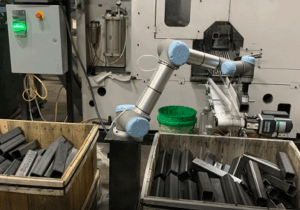
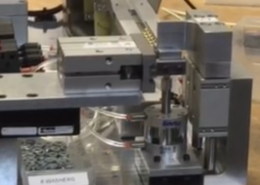
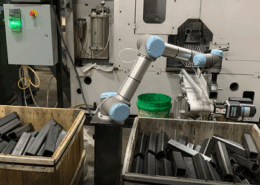
Robot performing simple pick and drop to four empty crates to eliminate excessive monitoring
Understanding Basic Machine Ergonomics: Enhancing Comfort and Productivity
Machine ergonomics is a crucial aspect of industrial design that focuses on optimizing the interaction between human operators and machines. By designing machines that align with human capabilities and limitations, businesses can improve worker comfort, safety, and productivity. Let’s delve into the principles of basic machine ergonomics and explore their benefits.
The Importance of Machine Ergonomics
Ergonomics is the science of designing equipment and work environments to fit the user, enhancing efficiency and reducing the risk of discomfort or injury. In industrial settings, poorly designed machines can lead to repetitive strain injuries, fatigue, and decreased productivity. Conversely, ergonomic machines can promote a healthier work environment, increase job satisfaction, and enhance overall performance.
Key Principles of Machine Ergonomics
- Anthropometrics: This involves designing machines based on the physical dimensions of the human body. By considering variations in body sizes and shapes, machines can be tailored to accommodate a wide range of users. Adjustable components, such as seats, handles, and control panels, are essential to cater to individual needs.
- Workstation Design: An ergonomic workstation layout minimizes awkward postures and excessive movements. Controls and displays should be within easy reach and at eye level to reduce strain on the neck and arms. The arrangement should support natural body positions and allow for efficient task performance.
- Force and Exertion: Machines should require minimal physical effort to operate. Handles, levers, and buttons should be designed to reduce the force needed for activation. Power-assisted controls and automated functions can further minimize exertion, making tasks easier and less fatiguing.
- Posture: Encouraging good posture is vital for preventing musculoskeletal disorders. Machines should be designed to support neutral body postures, avoiding extended reaches, awkward angles, and prolonged static positions. Adjustable chairs, footrests, and arm supports can help maintain proper alignment.
- Repetitive Motions: Repetitive tasks can lead to overuse injuries. To mitigate this, machines should be designed to automate repetitive actions or distribute tasks among different muscle groups. Ergonomic tools and equipment can reduce the risk of repetitive strain injuries.
- Environmental Factors: Lighting, noise, and temperature can significantly impact comfort and productivity. Ergonomic machines should be equipped with proper lighting to reduce eye strain, operate quietly to minimize distraction, and maintain a comfortable temperature for the user.
Benefits of Implementing Machine Ergonomics
- Enhanced Comfort: Ergonomic machines provide a comfortable working environment, reducing the risk of discomfort and fatigue. This leads to higher job satisfaction and well-being among workers.
- Increased Productivity: By minimizing physical strain and discomfort, workers can perform tasks more efficiently and with greater focus. This results in increased productivity and improved performance.
- Reduced Injury Risk: Implementing ergonomic principles helps prevent work-related injuries, such as repetitive strain injuries and musculoskeletal disorders. This reduces absenteeism, medical costs, and compensation claims.
- Improved Quality: Comfortable and healthy workers are less prone to errors, leading to higher-quality outputs. Ergonomics also enhances precision and control, further improving product quality.
- Cost Savings: Investing in ergonomic machine design can lead to long-term cost savings by reducing injury-related expenses, improving productivity, and enhancing product quality.
Basic machine ergonomics is essential for creating a safe, comfortable, and efficient work environment. By considering human capabilities and limitations in machine design, businesses can enhance worker well-being, productivity, and overall performance. As technology continues to advance, the integration of ergonomic principles into industrial machinery will become increasingly important, driving innovation and excellence in various sectors.