An Insight into Machine Vision: Transforming Automation and Quality Control
DESIGNED BY: Young Solutions Inc.


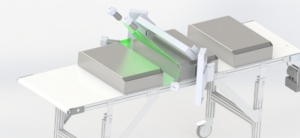
Machine vision is a rapidly evolving field that combines technology and industrial application to replicate the human visual system. By using advanced image processing and analysis, machine vision systems interpret and understand visual data to automate tasks and improve quality control across various industries. Let’s explore what machine vision is, its key components, applications, and benefits.
What is Machine Vision?
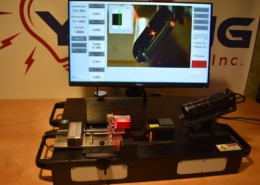
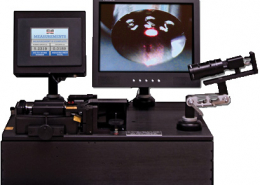
Machine vision involves the use of cameras, sensors, and image processing software to capture and analyze visual information. The goal is to automate inspection, measurement, and identification processes, providing reliable and accurate results at high speeds. Unlike human vision, machine vision systems can operate continuously and perform repetitive tasks without fatigue, making them ideal for industrial environments.
Key Components of Machine Vision
- Cameras: High-resolution cameras are used to capture detailed images of the objects being inspected. Depending on the application, these can be monochrome or color cameras, and may include specialized lenses for magnification or specific light spectrums.
- Lighting: Proper lighting is crucial for obtaining clear images. Different lighting techniques, such as backlighting, ring lighting, and coaxial lighting, are used to enhance the features of the object and minimize shadows or reflections.
- Sensors: Image sensors, such as CCD (Charge-Coupled Device) or CMOS (Complementary Metal-Oxide-Semiconductor) sensors, convert light into electronic signals that can be processed by the system.
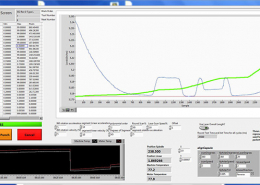
- Image Processing Software: Advanced algorithms analyze the captured images to extract relevant information. This software can identify patterns, measure dimensions, detect defects, and perform various other tasks.
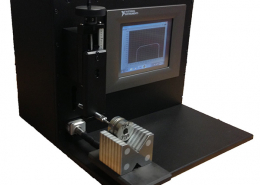
- Industrial PCs: These are used to process the image data and make decisions based on the analysis. The PCs are often equipped with powerful CPUs and GPUs to handle complex computations in real-time.
- Communication Interfaces: Machine vision systems communicate with other devices and systems within the production line, such as robots, PLCs (Programmable Logic Controllers), and databases, to coordinate actions and share data.
Applications of Machine Vision
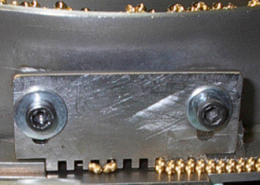
- Quality Control: Machine vision is extensively used for inspecting products for defects, verifying assembly processes, and ensuring that products meet quality standards. For example, in the automotive industry, machine vision systems inspect components for surface defects, proper alignment, and assembly accuracy.
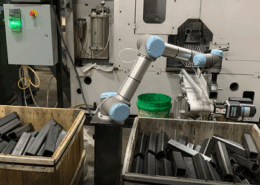
- Guidance and Automation: Machine vision systems guide robots and automated machinery, enabling precise positioning and movement. This is particularly useful in pick-and-place applications, where robots need to accurately locate and handle objects.
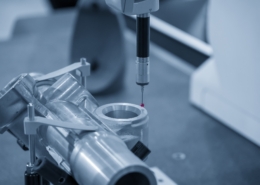
- Measurement and Gauging: Machine vision provides accurate measurements of dimensions, angles, and other geometric properties. In the electronics industry, for instance, vision systems measure the spacing of components on circuit boards to ensure proper assembly.
- Identification and Sorting: Vision systems are used for reading barcodes, QR codes, and other identification marks. They can also sort objects based on size, shape, color, or other criteria, making them essential in packaging and logistics.
- Security and Surveillance: Machine vision technologies enhance security systems by detecting and analyzing movement, identifying faces, and recognizing license plates in real-time.
Benefits of Machine Vision
- Increased Accuracy and Consistency: Machine vision systems provide high precision and repeatability, reducing the likelihood of human errors and ensuring consistent quality.
- Higher Speed and Efficiency: Automated inspection and measurement processes can be performed at much higher speeds than manual methods, increasing throughput and productivity.
- Cost Savings: By reducing defects and improving process efficiency, machine vision can lead to significant cost savings in manufacturing and quality control.
- Enhanced Safety: Machine vision can be used in hazardous environments, reducing the need for human intervention and improving workplace safety.
- Data Collection and Analysis: Vision systems collect valuable data that can be used for process optimization, predictive maintenance, and continuous improvement.
Future Prospects
As technology advances, machine vision systems are becoming more sophisticated and capable. The integration of artificial intelligence and deep learning algorithms is enhancing the ability of machine vision systems to recognize complex patterns and make intelligent decisions. Additionally, improvements in sensor technology, image processing speed, and connectivity are expanding the range of applications for machine vision.
Machine vision is a transformative technology that is revolutionizing industries by providing reliable, high-speed, and accurate visual inspection and analysis. Its applications are vast and continue to grow as advancements are made, making it an indispensable tool for automation and quality control in the modern industrial landscape.