The Real Cost of Automation: Understanding the Investment Beyond the Price Tag
DESIGNED BY: Young Solutions Inc.


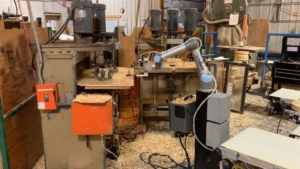
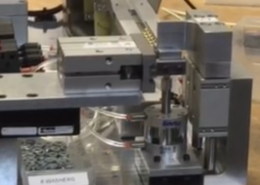
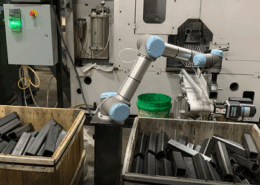
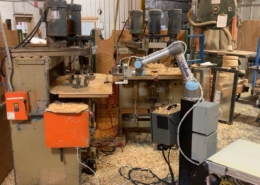
One robot tending two work stations.
Automation is often perceived as an expensive investment, deterring many businesses from adopting the technology. However, this perception is frequently based on an initial cost analysis that fails to account for the numerous long-term benefits and savings that automation can bring. Here’s an in-depth look at why automation seems more expensive than it actually is in reality and how it can ultimately lead to significant financial advantages.
The Perception of High Initial Costs
At first glance, the upfront costs associated with automation—such as purchasing advanced machinery, implementing software systems, and training employees—can appear prohibitive. These initial expenses can be substantial, particularly for small and medium-sized enterprises (SMEs) with limited capital. However, focusing solely on these immediate costs can obscure the broader financial picture.
Long-Term Savings and ROI
One of the main reasons automation seems expensive is that businesses often overlook the long-term savings and return on investment (ROI). Automation can lead to significant cost reductions in various areas, such as:
- Labor Costs: By automating repetitive and mundane tasks, businesses can reduce the need for manual labor. This doesn’t necessarily mean reducing headcount but rather reallocating human resources to more strategic and value-added activities. Over time, the savings on wages, benefits, and related costs can offset the initial investment in automation.
- Operational Efficiency: Automated systems can work continuously without breaks, leading to higher productivity and efficiency. This increased throughput can result in more products being produced in less time, enhancing profitability.
- Quality Control: Automation often leads to higher consistency and accuracy in production processes. By minimizing errors and reducing waste, businesses can save on costs associated with rework, returns, and defective products.
- Maintenance and Downtime: Modern automated systems often come with predictive maintenance capabilities, which can identify potential issues before they lead to costly downtime. This proactive approach can keep production lines running smoothly and prevent expensive repairs.
Increased Competitiveness
Investing in automation can give businesses a competitive edge. By improving efficiency, product quality, and speed to market, companies can better meet customer demands and stand out in a crowded marketplace. This enhanced competitiveness can lead to increased sales, higher market share, and ultimately greater revenue.
Scalability and Flexibility
Automation systems are inherently scalable and flexible, allowing businesses to adjust their operations based on demand without significant additional costs. During peak periods, automated systems can handle increased workloads without the need for temporary labor. This scalability ensures that businesses can grow and adapt without facing the constraints that manual processes often impose.
Enhanced Employee Satisfaction
Contrary to the fear that automation will replace human jobs, it often enhances employee satisfaction by eliminating monotonous tasks and allowing workers to engage in more meaningful and fulfilling roles. This can lead to higher employee morale, lower turnover rates, and reduced recruitment and training costs.
Real-World Examples
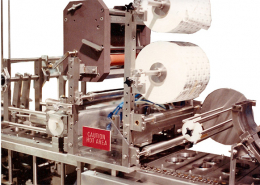
Numerous businesses have realized the financial benefits of automation. For example, automotive manufacturers have significantly increased production efficiency and reduced defects through the use of robotic assembly lines. Similarly, in the food and beverage industry, automated packaging systems have streamlined operations and minimized waste, leading to substantial cost savings.
While the initial investment in automation may appear high, a comprehensive analysis reveals that the long-term benefits and savings far outweigh the upfront costs. By improving efficiency, reducing errors, and enhancing competitiveness, automation can provide a strong ROI and drive sustainable business growth. It’s important for businesses to take a holistic view of automation’s financial impact, considering not just the immediate expenses but also the significant advantages it offers over time.
Automation is not just an expense; it’s a strategic investment in the future of your business. As technology continues to advance, the cost of automation is likely to decrease, making it more accessible and beneficial for companies of all sizes.