The Financial Justification for Automation Compared to Employee Absences
DESIGNED BY: Young Solutions Inc.


Investing in automation technology can be a significant upfront expense for many businesses, but it is important to consider the long-term cost benefits when compared to the recurring and often unpredictable costs of employee absences. Here’s how automation can provide a strong financial justification:
Employee absences can lead to considerable financial losses due to decreased productivity, the need for temporary replacements, and potential overtime costs for existing staff. For instance, unplanned absences in critical roles can disrupt workflows and delay projects, leading to missed deadlines and potential loss of revenue. The indirect costs, including decreased employee morale and increased stress among remaining staff, can further exacerbate these financial impacts.
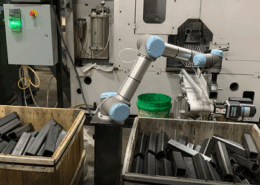
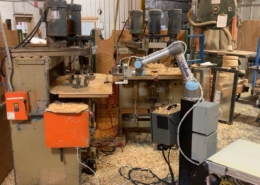
Automation, on the other hand, involves an initial investment in technology and training. However, once implemented, automated systems can operate continuously without the variability associated with human workers. They do not require sick days, vacation time, or breaks, and can work around the clock with consistent efficiency and accuracy. This ensures a steady output and can significantly reduce downtime associated with employee absences.
Additionally, automation can lead to long-term savings by reducing the need for temporary labor and overtime pay. By handling routine and repetitive tasks, automated systems free up human employees to focus on higher-value activities, enhancing overall productivity and innovation within the organization. This increased efficiency can result in higher profit margins and a quicker return on investment for automation technology.
Moreover, the scalability and flexibility of automated systems mean that businesses can easily adjust to varying workloads without incurring additional labor costs. During peak periods, automation can handle increased demands without the need for hiring temporary staff, thus minimizing expenses and maximizing efficiency.
While the initial cost of implementing automation may seem high, the long-term financial benefits, including reduced labor costs, increased productivity, and minimized downtime, make it a justified and strategic investment. By mitigating the impact of employee absences, automation can help businesses maintain operational stability, improve financial performance, and gain a competitive edge in the market.